
Stop 01
Exchange Street
Start among brick storefronts, upper-floor warehouse windows, galleries, and the steep streets that reveal the harbor at the bottom of the hill.
Follow Portland’s brick warehouse streets downhill to working piers, Casco Bay ferries, oyster bars, bakeries, and the narrow cobbled lane on Wharf Street.
Best for
First visits, food weekends, shoulder-season getaways, and travelers who want Portland to become walkable quickly.
Time needed
Allow 45–75 minutes for the mapped walk without long stops, or two to four hours with shops, food, and waterfront time.
Start here
Begin at Monument Square, descend through Exchange, Fore, and Wharf Streets, then finish beside Casco Bay Lines at Maine State Pier.

The essential contrast
Exchange and Fore Streets carry the old warehouse district uphill. Commercial Street opens onto piers, boat traffic, granite wharves, and Casco Bay Lines. Seeing both halves keeps Old Port from becoming only a shopping-and-dinner district.
Old Port walking route
Stop 01
Start among brick storefronts, upper-floor warehouse windows, galleries, and the steep streets that reveal the harbor at the bottom of the hill.
Stop 02
Fore Street holds restaurants and old commercial buildings; Wharf Street drops through a narrow cobbled lane toward Commercial Street and the water.
Stop 03
The district changes at the waterfront: piers, lobster boats, ferry traffic, fish markets, granite edges, and working wharves replace the uphill retail blocks.
Stop 04
Finish near Maine State Pier and Casco Bay Lines, or climb back into Old Port for oysters, wood-fired cooking, shared plates, and smaller seafood rooms.
District anatomy
Old Port is not one street. It includes Exchange Street, Fore Street, Wharf Street, stretches of Commercial Street, and the waterfront near Maine State Pier. Brick warehouses, granite curbs, boutiques, restaurants, ferry traffic, and working piers sit within a compact but steep district.
Brick facades, shops, galleries, restaurants, and harbor views down the cross streets.
Commercial Street, piers, lobster boats, ferry departures, and fish-market details.

Why the streets look this way
Old Port's materials are part of Portland's history, not decorative staging. The Great Fire of July 4, 1866 destroyed the Exchange Building—which had contained the customs office, post office, and courts—along with about 1,800 other buildings in the city center. Rebuilding put fire-resistant masonry and a new federal Custom House beside a harbor whose trade mattered nationally.
Rebuilding after 1866
Look above modern storefronts for the heavier commercial city: repetitive warehouse windows, masonry walls, granite details, and blocks rebuilt for trade rather than tourism.
312 Fore Street
Built from 1867 to 1872, the building combines Second Empire and Renaissance Revival design. Its New Hampshire granite, slate roof, round-headed windows, and twin cupolas were a monumental response to both the fire and Portland's customs business.
Read it on foot
Exchange and Fore hold the commercial facades; Wharf Street compresses the descent; Commercial Street opens the view to piers, ferries, and working access. The mapped route preserves that sequence.

Working waterfront
Fishing boats, delivery traffic, stacked traps, ferry passengers, and restaurant crowds share the waterfront. Walk far enough to see the wharf entrances and Maine State Pier, but stay out of active work areas and keep access lanes clear.
The ferry-terminal zone connects Old Port directly to Peaks Island and the wider Casco Bay island network.
Look for boats, ropes, traps, granite, and tide marks without blocking gates or treating working piers as public promenades.
Food and ferry choices
A reserved dinner gives the street walk a natural finish. A ferry departure changes the route by putting Maine State Pier on the clock. Trying to do a food crawl, long shopping circuit, and island trip in the same short block usually cuts each one thin.

Check the current schedule first, then reach the terminal with enough time to board. Peaks Island is the simplest island add-on from Old Port.
Plan the Peaks Island ferry day →
Eventide, Fore Street, Street & Co., and Central Provisions cover different versions of a Portland dinner. Check each restaurant’s reservation and walk-in policy before setting a dinner time; Eventide keeps most seating first come, first served.
Build the Portland food weekend →Arrive for the mapped walk
The best arrival depends on what has a fixed time. Start near Monument Square when the walk itself comes first. Start at Maine State Pier when a ferry departure controls the clock, then follow the same streets uphill after returning. In either direction, park once rather than moving the car through Old Port.
Monument Square start
The city's Elm Street garage is at 21 Elm Street, close to Monument Square. Check current hours and rates before relying on it for a late dinner or event night.
Waterfront start
Casco Bay Garage at 54 Commercial Street sits beside the terminal; the Ocean Gateway lot is at 2 Commercial Street. Availability, operating hours, and rates can change, especially around cruise calls and events.
No-car arrival
Greater Portland METRO's downtown hub and customer-service office is at 21 Elm Street. A hotel near Old Port or downtown can make the entire route, dinner, and ferry terminal reachable without retrieving a car.
Compare walkable places to stay →Street meters are designed for short-term turnover, not an open-ended walk plus ferry or dinner. Use the city's current meter rules and garage list rather than relying on an old quoted rate.
Old Port walking map
The numbered route connects the brick commercial core to the waterfront instead of treating Old Port as one restaurant block. The line shows the editorial sequence rather than exact turn-by-turn sidewalk geometry; construction, crowds, and access conditions can change the best block-level path.
Best times to walk
Morning: quieter cobbles, bakery stops, easier photographs, and active waterfront deliveries.
Afternoon: shops, ferries, wharves, and the district at its busiest.
Evening: restaurant reservations, brick streets under storefront light, and a cooler walk back toward the hotel.
Common Old Port mistakes
Use daylight for Exchange, Fore, Commercial, and the ferry-terminal edge, then eat after the harbor walk.
Choose one reservation or known seafood stop, then keep coffee, pastries, and snacks flexible.
Old Port loses its Portland identity when the route never reaches Commercial Street, the wharves, or Casco Bay Lines.
Official Portland links
Use current official sources before a ferry ride, event night, lighthouse add-on, or dinner reservation.
Quick answers for keeping Old Port at the center of a Portland weekend.
Usually yes, if you stay in Old Port itself or on the close downtown edge. That is why the hotel choice matters so much here. A nearby stay keeps the waterfront, restaurants, and late-evening walks simple.
Not necessarily. A downtown hotel plus rideshare from PWM can work very well. A car becomes more helpful if you want Cape Elizabeth, extra brewery hopping, or bigger coastal day trips beyond the core.
Late morning through golden hour is the best window for a first visit. You get the storefronts, the harbor edge, and better walking energy before the district turns mostly into a dinner-and-bars scene.
Stay in or near Old Port when dinner, harbor walks, and late-evening flexibility matter more than a quieter room. Visit from another neighborhood when you want calmer nights, but plan the ride or parking before the dinner window gets tight.
Yes, if the weather is decent. A Peaks Island run or shorter harbor-facing ferry block pairs best with a morning Old Port walk and a dinner reservation nearby, so the bay adds shape without scattering the day.
Second Star gear guide
Historic Town & Museum Weekend
Walkable-town packing list
A sling, weather backup, notes, camera support, and local-book pieces for historic districts and museum weekends.
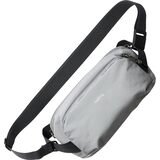
Compact Travel Sling Bag
$95.00

Travel Journals
$9.99
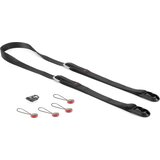
Camera Straps
$49.95
Before you go
Use these official and public sources to confirm the details that change: hours, maps, tickets, reservations, road access, weather, and seasonal timing.